My Favourite Anime
Clannad
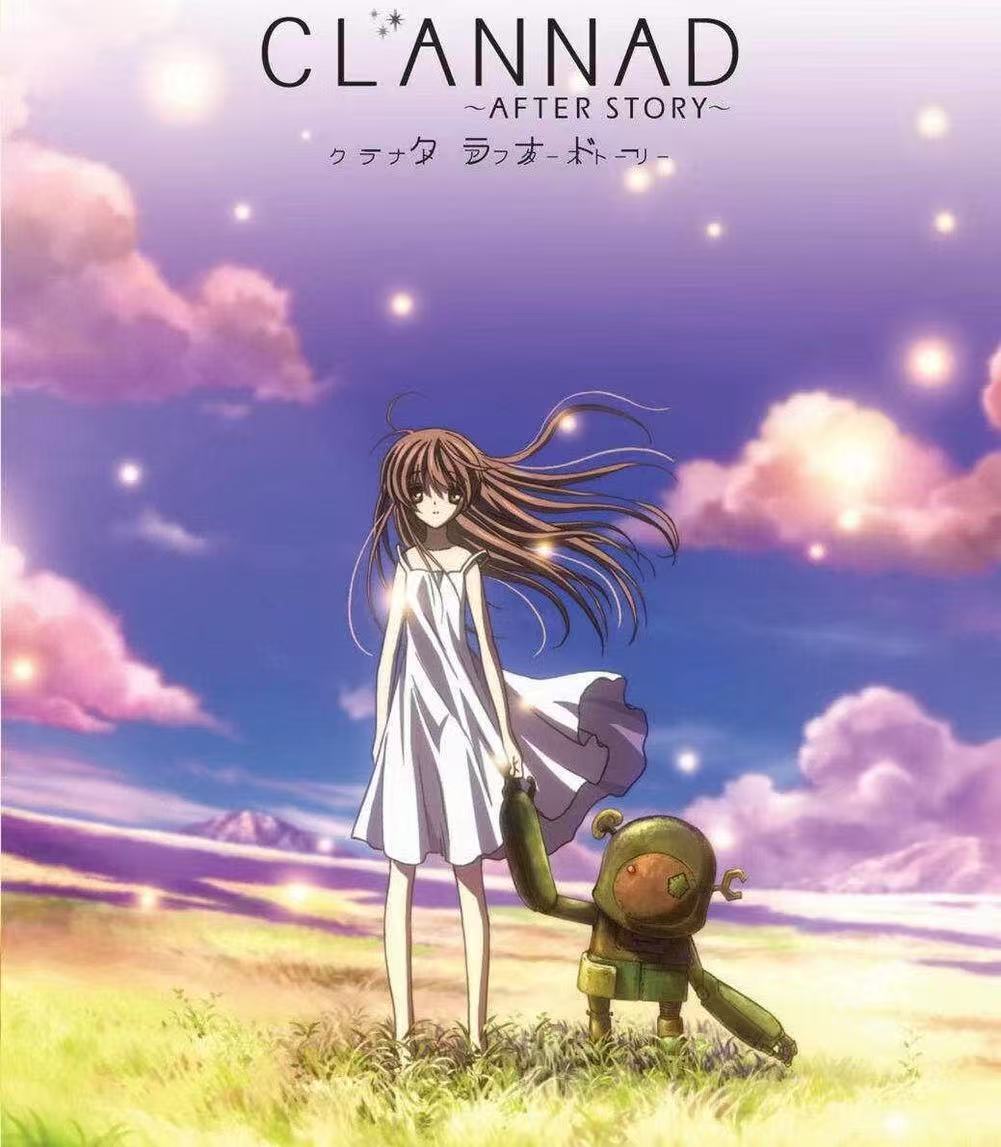
Clannad is my all-time favorite anime. As the saying goes, "spelled as Clannad, experienced as life." The story transcends schoolyard friendships and adult romance; it is ultimately about the profound family bonds that anchor our entire existence. Familial love is a gift most of us are granted from birth, yet it is so frequently taken for granted. It is only after navigating life's long, arduous journey and taking a moment to look back that we realize how profoundly precious that unconditional love truly is.
Clannad is my all-time favorite anime. As the saying goes, "spelled as Clannad, experienced as life." The story transcends schoolyard friendships and adult romance; it is ultimately about the profound family bonds that anchor our entire existence. Familial love is a gift most of us are granted from birth, yet it is so frequently taken for granted. It is only after navigating life's long, arduous journey and taking a moment to look back that we realize how profoundly precious that unconditional love truly is.
Attack on Titan
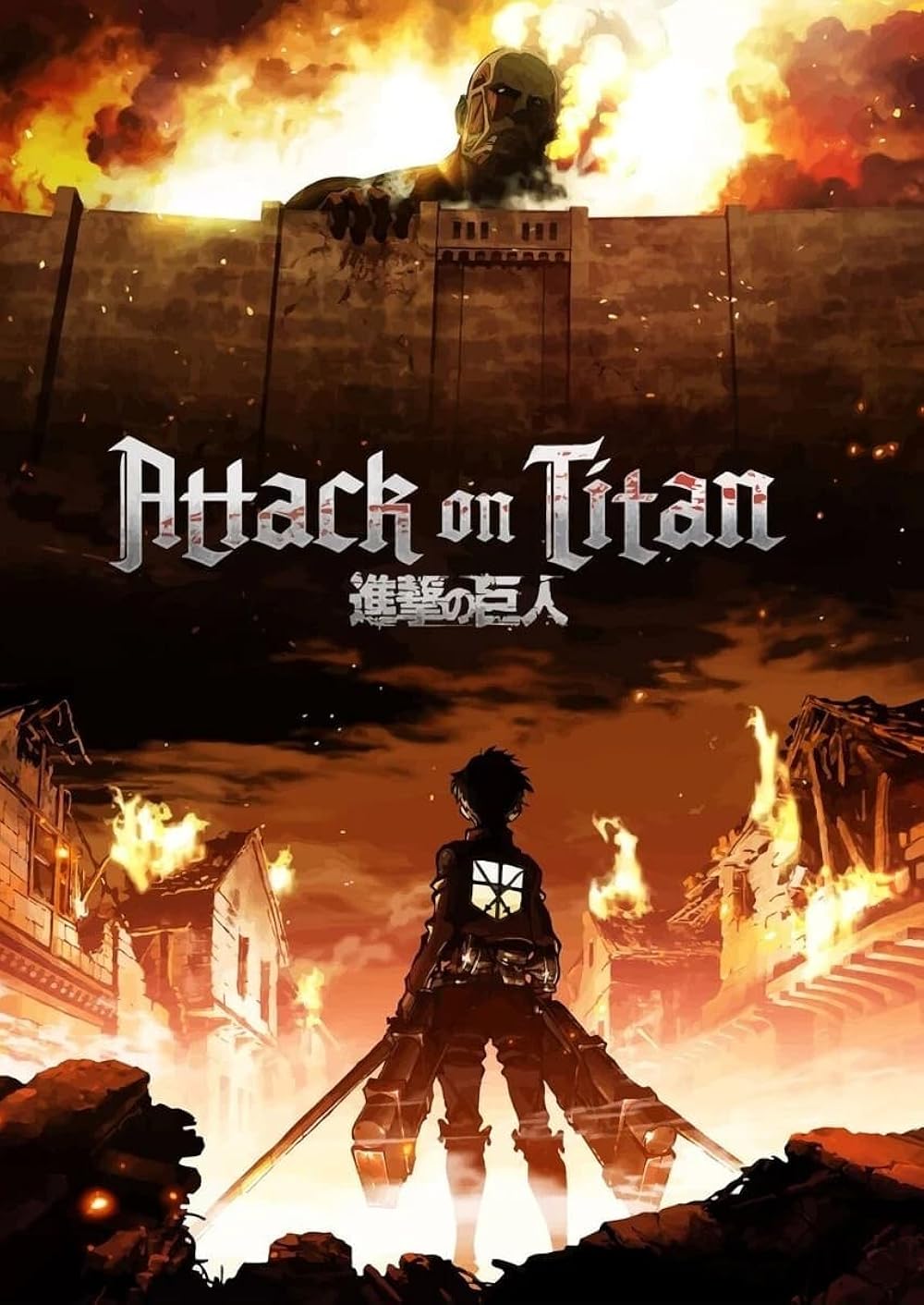
"On that day, humanity remembered the terror of being ruled by them." Attack on Titan is an anime that starts off as an absolute 10/10 and somehow never drops the ball. Instead of fizzling out, the story gets deeper and more complex, throwing crazy twist after crazy twist at you until it hits a mind-blowing peak when the truth about the Titans is finally revealed. If you can dodge spoilers and watch the whole thing fresh, it will absolutely give you an unforgettable, unparalleled ride.
"On that day, humanity remembered the terror of being ruled by them." Attack on Titan is an anime that starts off as an absolute 10/10 and somehow never drops the ball. Instead of fizzling out, the story gets deeper and more complex, throwing crazy twist after crazy twist at you until it hits a mind-blowing peak when the truth about the Titans is finally revealed. If you can dodge spoilers and watch the whole thing fresh, it will absolutely give you an unforgettable, unparalleled ride.
Steins;Gate
Steins;Gate is my favorite sci-fi anime of all time. It is no exaggeration to say that it has actually inspired many of my own ideas for scientific research. If you delve into the scientific theories underpinning the narrative, you will discover a comprehensive and logically self-consistent framework. Nothing that happens in the anime is pulled out of thin air; rather, every event unfolds in strict accordance with the rules established by this theoretical system. As the mad scientist himself would declare: "This is the choice of Steins;Gate."
Steins;Gate is my favorite sci-fi anime of all time. It is no exaggeration to say that it has actually inspired many of my own ideas for scientific research. If you delve into the scientific theories underpinning the narrative, you will discover a comprehensive and logically self-consistent framework. Nothing that happens in the anime is pulled out of thin air; rather, every event unfolds in strict accordance with the rules established by this theoretical system. As the mad scientist himself would declare: "This is the choice of Steins;Gate."
The Melancholy of Haruhi Suzumiya
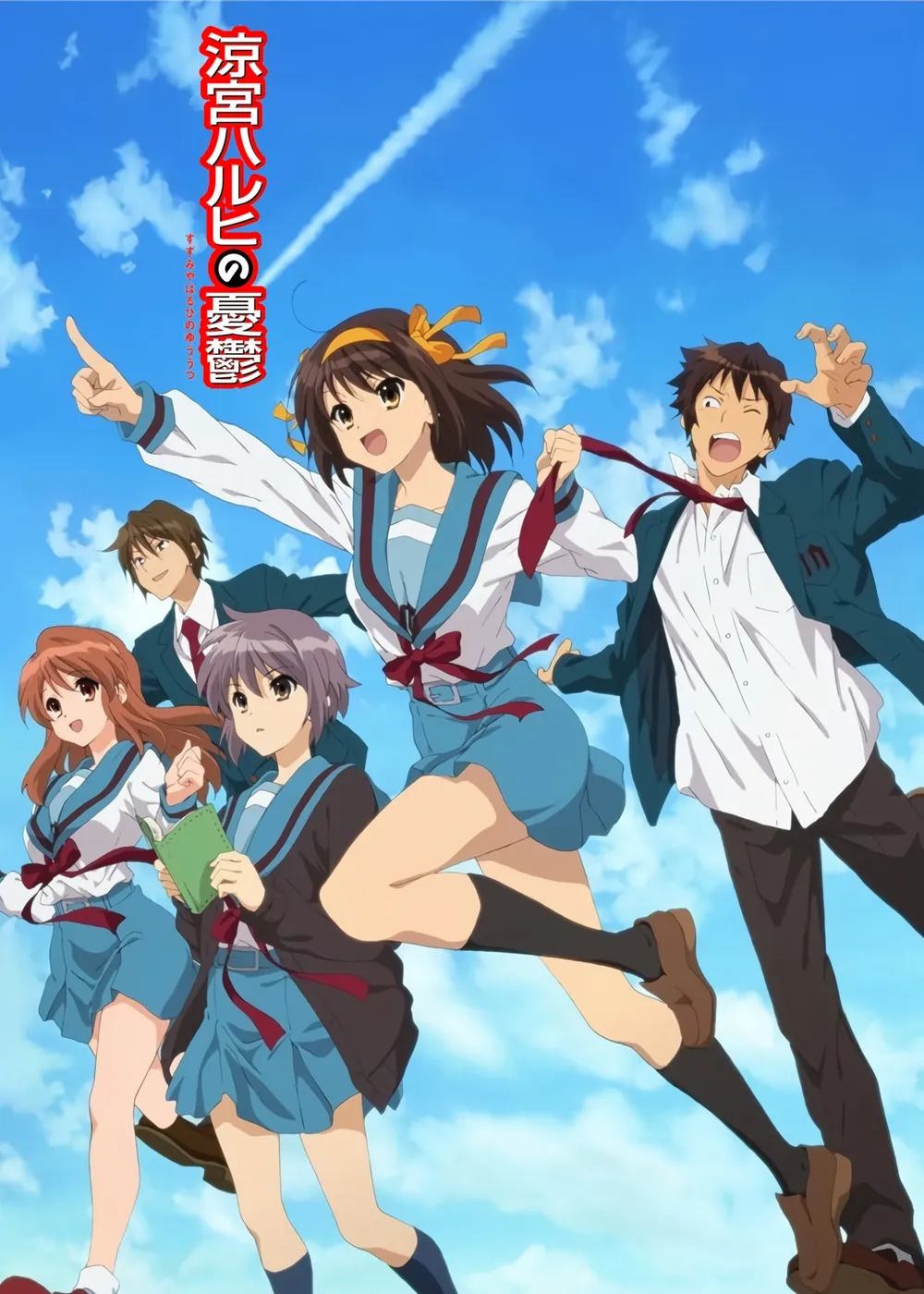
The Melancholy of Haruhi Suzumiya is an anime that legitimately changed my perspective on life. Back in my sophomore year of college, when I was first getting into research, I went through a really lost phase trying to figure out how to juggle my classes and my lab work. Haruhi was the one who taught me to just follow my passion and do what I like. It had such an impact on me that, every single morning back then, I would have "God Knows" playing on repeat while I was rushing back and forth between lectures and the lab.
The Melancholy of Haruhi Suzumiya is an anime that legitimately changed my perspective on life. Back in my sophomore year of college, when I was first getting into research, I went through a really lost phase trying to figure out how to juggle my classes and my lab work. Haruhi was the one who taught me to just follow my passion and do what I like. It had such an impact on me that, every single morning back then, I would have "God Knows" playing on repeat while I was rushing back and forth between lectures and the lab.
Assassination Classroom
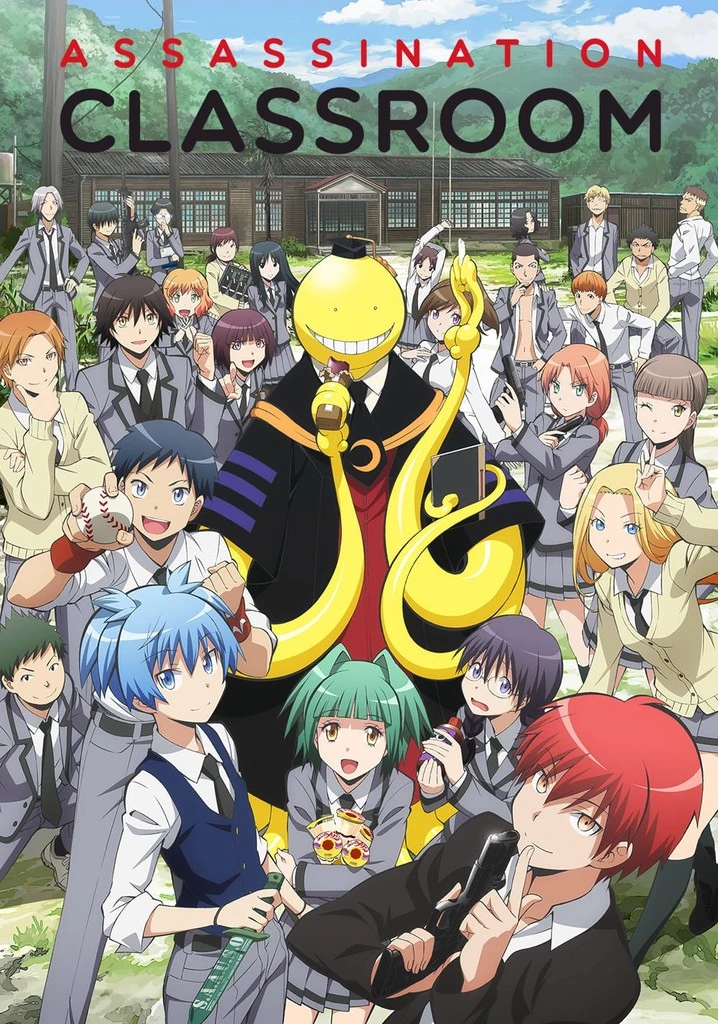
Assassination Classroom is, without a doubt, the greatest educational anime I have ever seen. The students of Class 3-E all possessed unique talents, yet their potential was entirely stifled by a rigid, exam-oriented education system. Through countless "assassination" attempts, Koro-sensei managed to unearth those hidden gifts, untangle their deepest emotional knots, and guide them into becoming well-rounded, healthy adults. As a fun aside, I actually dedicated my very first cosplay to Koro-sensei to commemorate my college graduation!
Assassination Classroom is, without a doubt, the greatest educational anime I have ever seen. The students of Class 3-E all possessed unique talents, yet their potential was entirely stifled by a rigid, exam-oriented education system. Through countless "assassination" attempts, Koro-sensei managed to unearth those hidden gifts, untangle their deepest emotional knots, and guide them into becoming well-rounded, healthy adults. As a fun aside, I actually dedicated my very first cosplay to Koro-sensei to commemorate my college graduation!
Code Geass
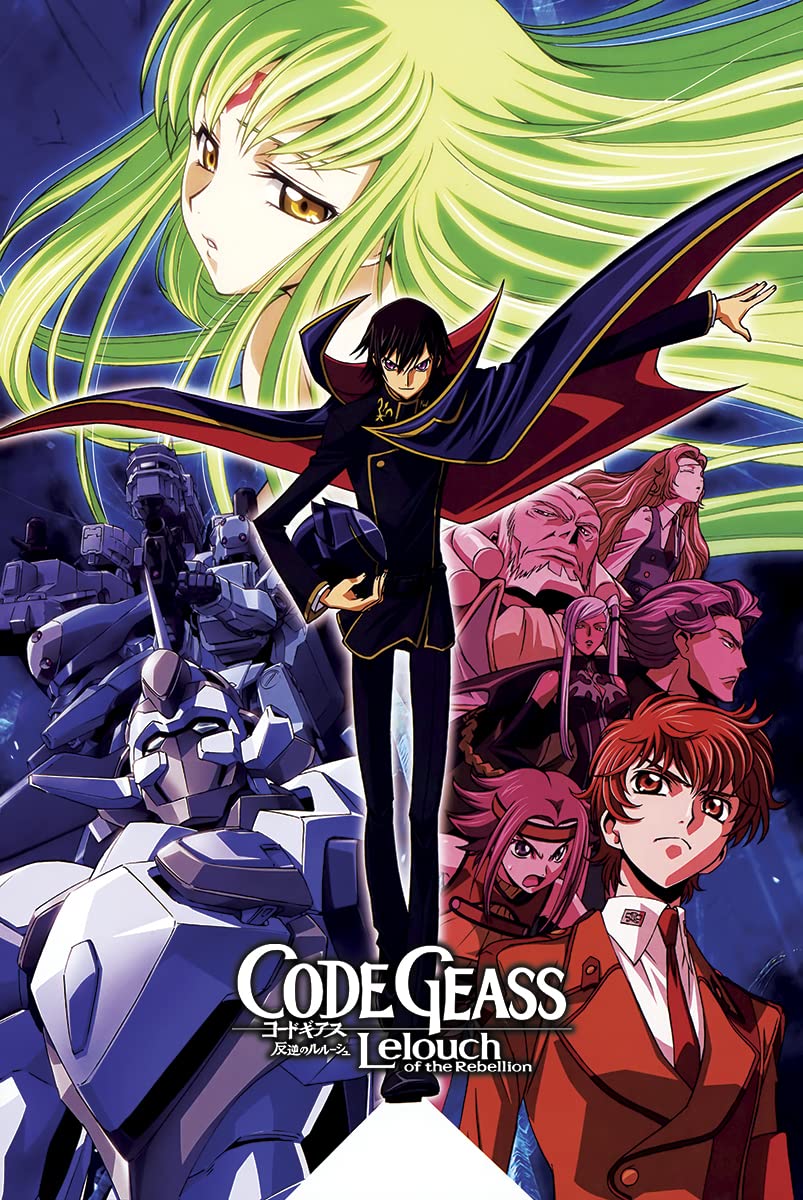
Code Geass is my favorite mind-game anime, and Lelouch is the most charismatic anime protagonist I have ever seen. He is the kind of character who can drop a legendary line like, "The only ones who should kill are those who are prepared to be killed," and actually back it up with his actions. The Zero Requiem at the very end is the absolute proof of his conviction. Here is a comment that sums him up perfectly.
Code Geass is my favorite mind-game anime, and Lelouch is the most charismatic anime protagonist I have ever seen. He is the kind of character who can drop a legendary line like, "The only ones who should kill are those who are prepared to be killed," and actually back it up with his actions. The Zero Requiem at the very end is the absolute proof of his conviction. Here is a comment that sums him up perfectly.
Uma Musume: Pretty Derby Season 2
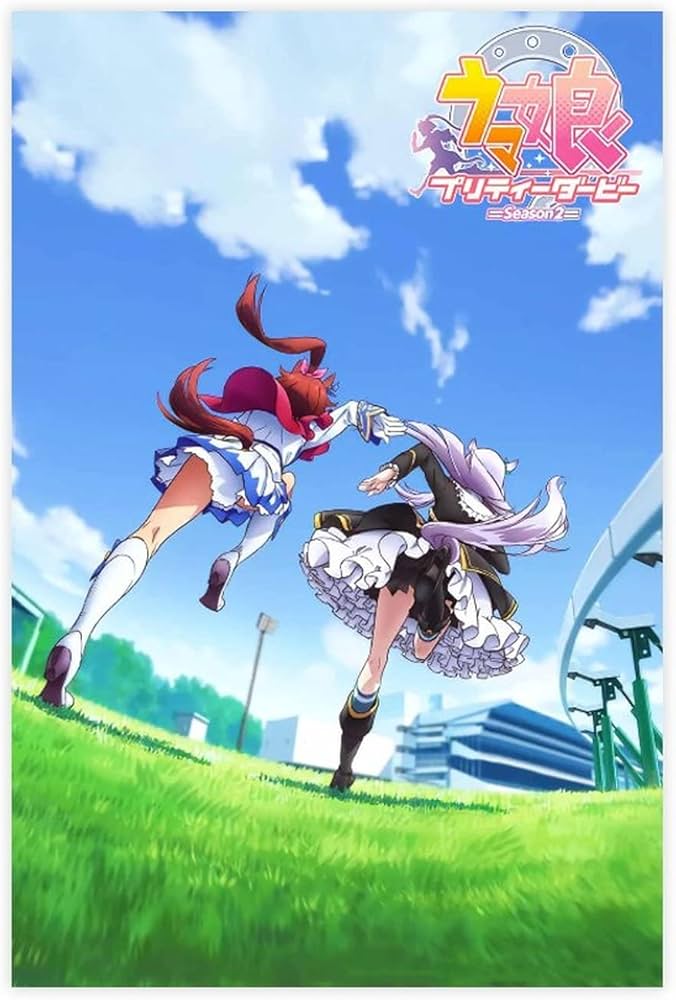
Uma Musume: Pretty Derby Season 2 is my favorite sports anime. Drawing inspiration from real-life racehorses, the series masterfully crafts characters who feel incredibly genuine and fully fleshed out. From Rice Shower's heroic entrance in Episode 8 and Twin Turbo's legendary grand escape in Episode 10, to Tokai Teio's miraculous comeback in the finale, watching these breathtaking displays of individual heroism never fails to make my blood pump with pure excitement. It is worth mentioning that every single one of these scenes is based on actual historical events. It really makes you marvel at how, sometimes, reality is far more dramatic than fiction.
Uma Musume: Pretty Derby Season 2 is my favorite sports anime. Drawing inspiration from real-life racehorses, the series masterfully crafts characters who feel incredibly genuine and fully fleshed out. From Rice Shower's heroic entrance in Episode 8 and Twin Turbo's legendary grand escape in Episode 10, to Tokai Teio's miraculous comeback in the finale, watching these breathtaking displays of individual heroism never fails to make my blood pump with pure excitement. It is worth mentioning that every single one of these scenes is based on actual historical events. It really makes you marvel at how, sometimes, reality is far more dramatic than fiction.
Fullmetal Alchemist
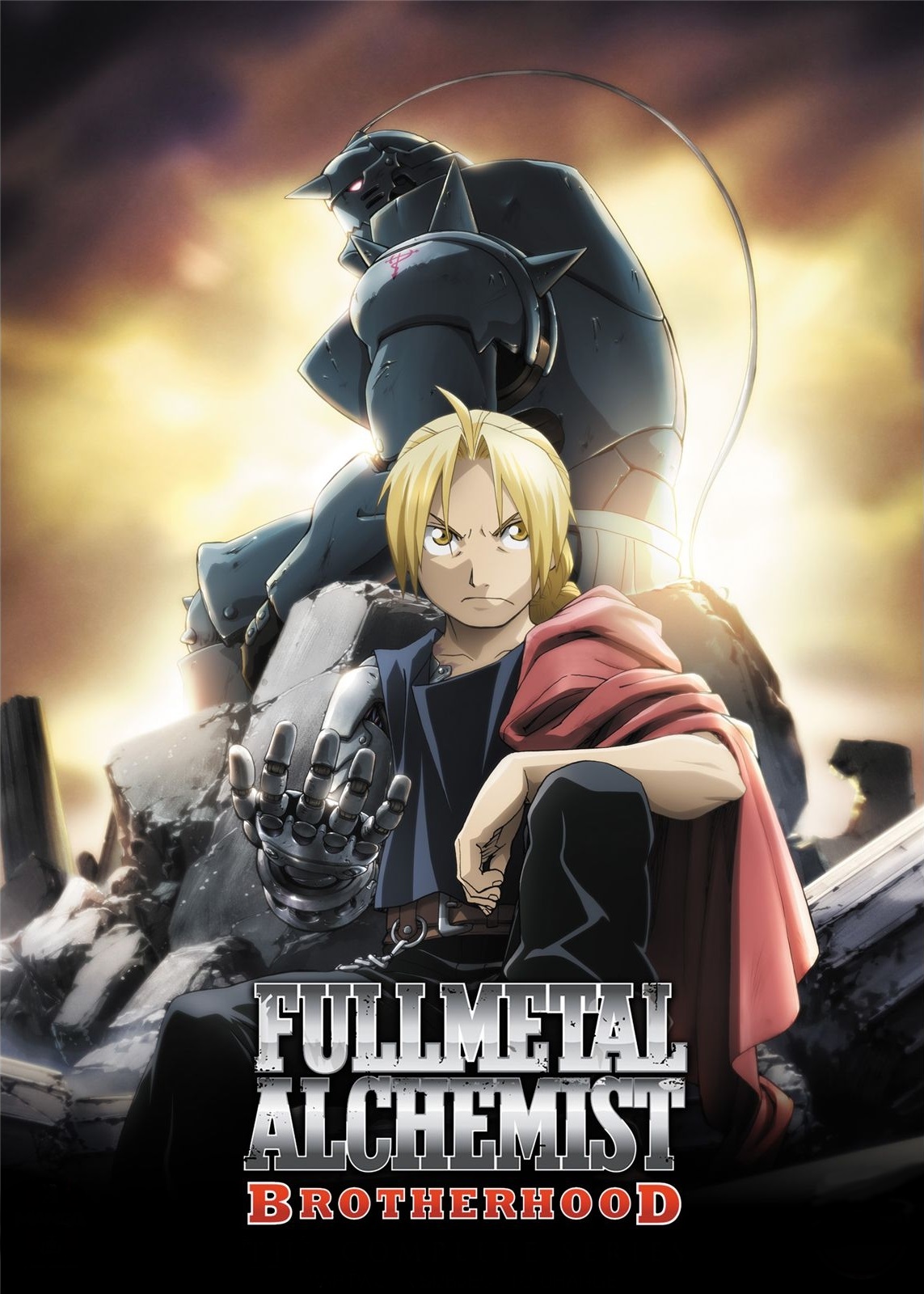
Fullmetal Alchemist is my favorite battle shounen. The narrative pacing in the early episodes is relatively deliberate, but it accelerates drastically following the tragic death of Maes Hughes. From that point on, dark undercurrents of conspiracy begin to surface, and even the seemingly righteous military is cast under a shroud of mystery. When the truth is finally unveiled, you realize that the entire grand stage of their world was actually a long-orchestrated guillotine, and the true enemies had been hiding in plain sight all along. Yet, in the end, what ultimately triumphs over this darkness is humanity's sheer courage and indomitable will.
Fullmetal Alchemist is my favorite battle shounen. The narrative pacing in the early episodes is relatively deliberate, but it accelerates drastically following the tragic death of Maes Hughes. From that point on, dark undercurrents of conspiracy begin to surface, and even the seemingly righteous military is cast under a shroud of mystery. When the truth is finally unveiled, you realize that the entire grand stage of their world was actually a long-orchestrated guillotine, and the true enemies had been hiding in plain sight all along. Yet, in the end, what ultimately triumphs over this darkness is humanity's sheer courage and indomitable will.
86 EIGHTY-SIX
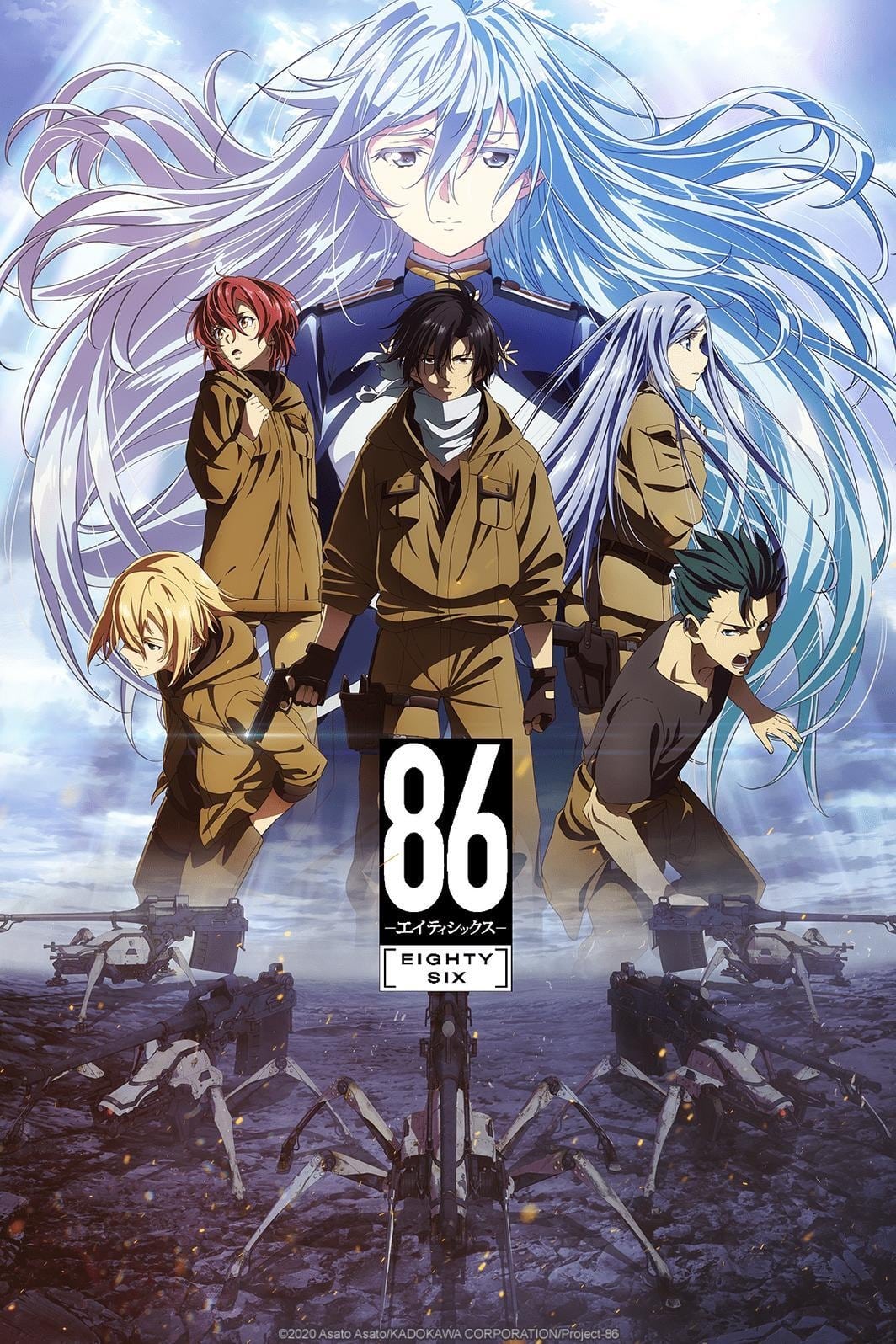
86 EIGHTY-SIX is my favorite mecha anime (if we leave Code Geass out of the equation). While its overarching plot might not be the most groundbreaking, its atmospheric portrayal of the battlefield left a profound impression on me. A comrade who is joking with you one second can become a cold corpse the next; this overwhelming atmosphere of despair offers a stark, visceral realization of the true cruelty of war. Furthermore, I absolutely loved the visual direction of the penultimate and final episodes. Shin and Lena’s two encounters—first amidst the desolate ruins of a war-torn battlefield, and later in a lush, vibrant meadow—create two remarkably distinct aesthetic atmospheres that evoke entirely different, yet equally powerful, emotional responses.
86 EIGHTY-SIX is my favorite mecha anime (if we leave Code Geass out of the equation). While its overarching plot might not be the most groundbreaking, its atmospheric portrayal of the battlefield left a profound impression on me. A comrade who is joking with you one second can become a cold corpse the next; this overwhelming atmosphere of despair offers a stark, visceral realization of the true cruelty of war. Furthermore, I absolutely loved the visual direction of the penultimate and final episodes. Shin and Lena’s two encounters—first amidst the desolate ruins of a war-torn battlefield, and later in a lush, vibrant meadow—create two remarkably distinct aesthetic atmospheres that evoke entirely different, yet equally powerful, emotional responses.
Your Lie in April
Your Lie in April was my true gateway anime, though it left me completely heartbroken by the time I finished it (lol). Using music as a medium, the series tells the story of how the two protagonists met, became drawn to each other, and ultimately saved one another. Although the ending is a tragedy in a sense, I believe Kaori will live on in Kousei's heart forever. Additionally, as a violin enthusiast, I absolutely loved their first and only duet performance. It even inspired me to try playing Introduction and Rondo Capriccioso myself, but, unsurprisingly, I was completely humbled by its sheer difficulty (lol).
Your Lie in April was my true gateway anime, though it left me completely heartbroken by the time I finished it (lol). Using music as a medium, the series tells the story of how the two protagonists met, became drawn to each other, and ultimately saved one another. Although the ending is a tragedy in a sense, I believe Kaori will live on in Kousei's heart forever. Additionally, as a violin enthusiast, I absolutely loved their first and only duet performance. It even inspired me to try playing Introduction and Rondo Capriccioso myself, but, unsurprisingly, I was completely humbled by its sheer difficulty (lol).
Liz and the Blue Bird
Liz and the Blue Bird is my favorite yuri anime, even though I don't actively ship yuri. The visuals in this film are as breathtaking as a watercolor painting, with almost every single frame looking like a work of art. However, what is even more astonishing is its meticulous attention to detail. Every subtle movement from the characters, every shift in their expressions, and every casually spoken word perfectly reflects their complex inner thoughts. It leaves you with no choice but to marvel, "Naoko Yamada is a god!" I highly recommend checking out this content creator's analysis video after finishing it—there are definitely a ton of details you didn't notice.
Liz and the Blue Bird is my favorite yuri anime, even though I don't actively ship yuri. The visuals in this film are as breathtaking as a watercolor painting, with almost every single frame looking like a work of art. However, what is even more astonishing is its meticulous attention to detail. Every subtle movement from the characters, every shift in their expressions, and every casually spoken word perfectly reflects their complex inner thoughts. It leaves you with no choice but to marvel, "Naoko Yamada is a god!" I highly recommend checking out this content creator's analysis video after finishing it—there are definitely a ton of details you didn't notice.
From the New World
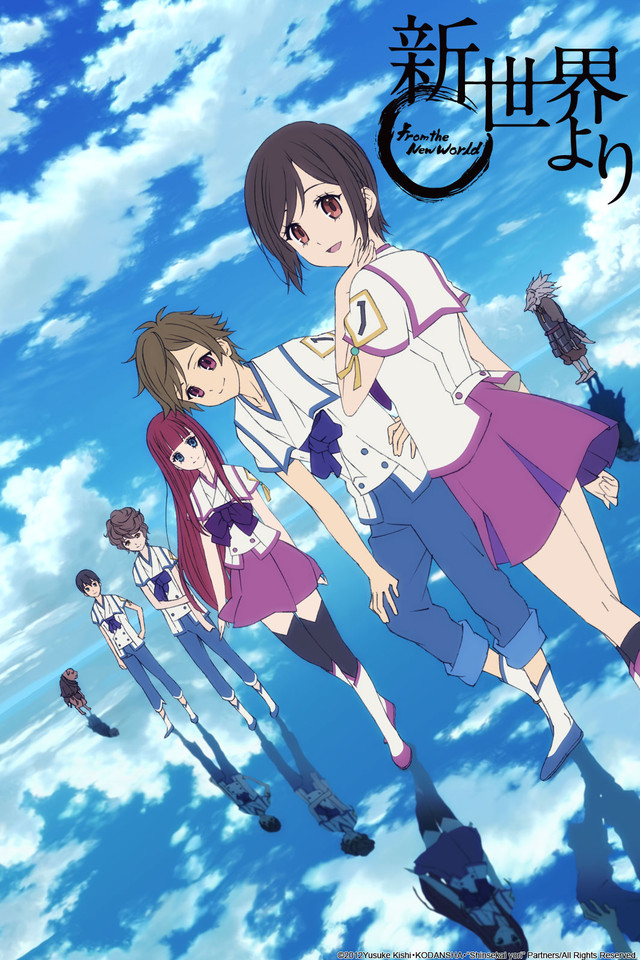
From the New World is my favorite dystopian anime. Adapted from the sci-fi novel of the same name, the series depicts a dystopian society constructed by "new humans" possessing a certain superpower in a "new world" set thousands of years in the future. My overwhelming feeling after finishing this show was a profound, chilling dread. If the past few millennia represent the history of human development from primitive to modern society, then the future millennia portrayed in this anime represent the exact opposite process. Out of everything, I think the most shocking moment is the truth about the Queerats revealed at the very end. It forces us to confront the fundamental essence of human society—class.
From the New World is my favorite dystopian anime. Adapted from the sci-fi novel of the same name, the series depicts a dystopian society constructed by "new humans" possessing a certain superpower in a "new world" set thousands of years in the future. My overwhelming feeling after finishing this show was a profound, chilling dread. If the past few millennia represent the history of human development from primitive to modern society, then the future millennia portrayed in this anime represent the exact opposite process. Out of everything, I think the most shocking moment is the truth about the Queerats revealed at the very end. It forces us to confront the fundamental essence of human society—class.
Gosick
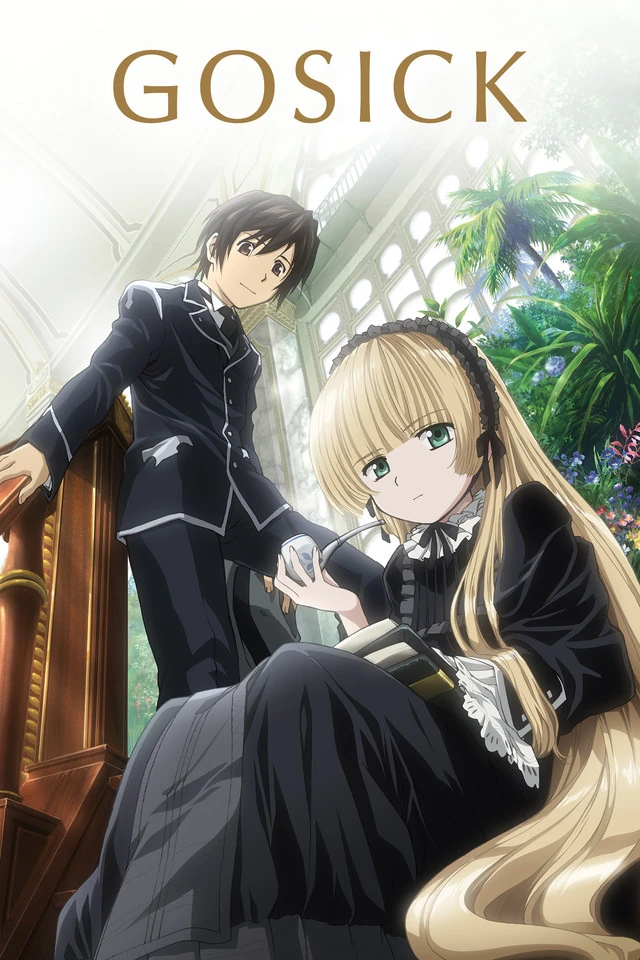
Gosick is a relatively niche, British-style anime set in a fictional world between the end of World War I and the eve of World War II, giving it a profound sense of historical weight. The early episodes follow the male and female protagonists as they team up to solve cases, giving off a strong Sherlock and Watson vibe. However, as the story progresses into its later stages, those seemingly independent early cases cleverly intertwine to form a complete, hidden overarching plot. What I love most is the deep sense of history and fatalism the entire series creates, as well as seeing how the various characters rise and fall amidst the sweeping tides of their era.
Gosick is a relatively niche, British-style anime set in a fictional world between the end of World War I and the eve of World War II, giving it a profound sense of historical weight. The early episodes follow the male and female protagonists as they team up to solve cases, giving off a strong Sherlock and Watson vibe. However, as the story progresses into its later stages, those seemingly independent early cases cleverly intertwine to form a complete, hidden overarching plot. What I love most is the deep sense of history and fatalism the entire series creates, as well as seeing how the various characters rise and fall amidst the sweeping tides of their era.
March Comes in Like a Lion
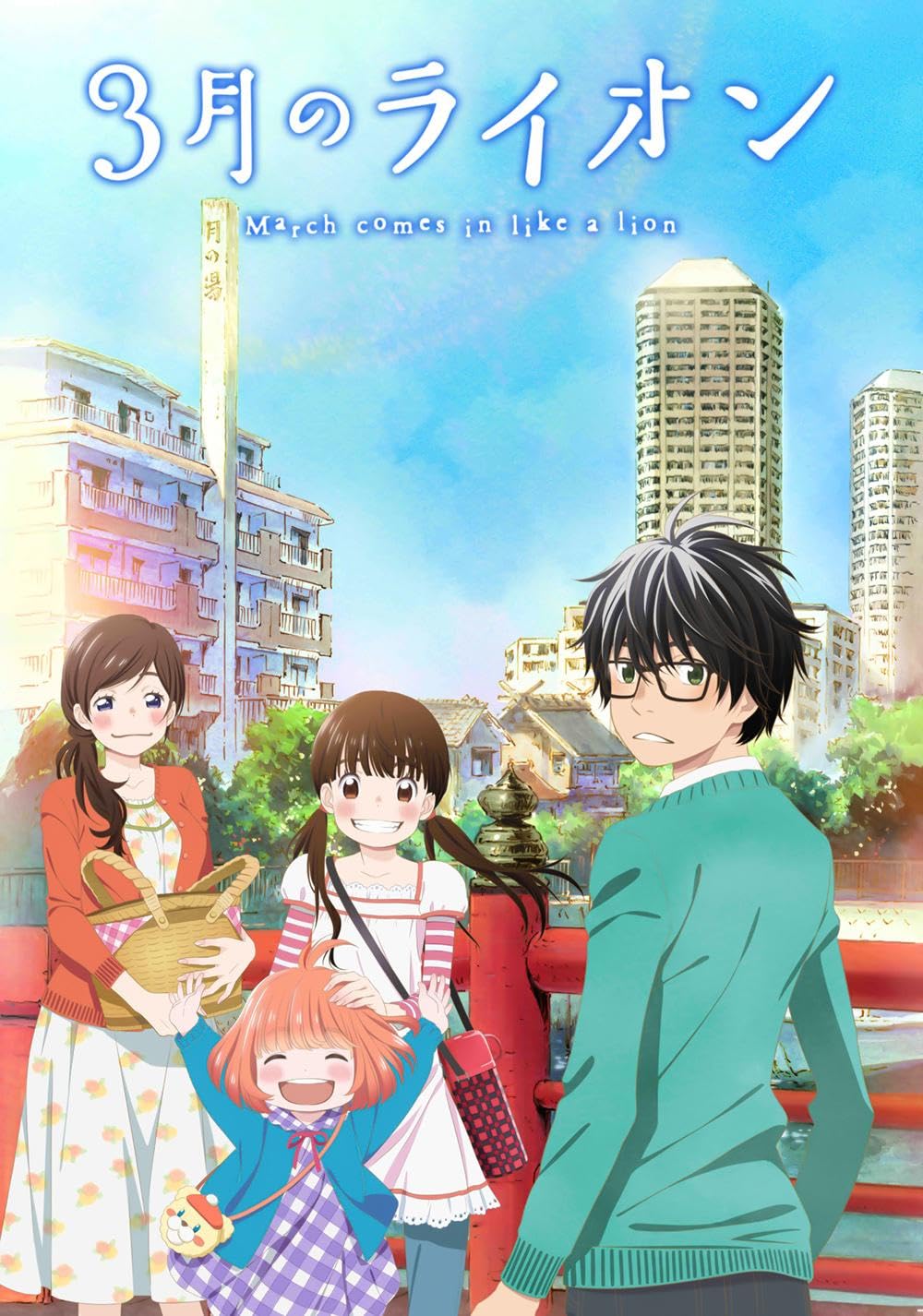
March Comes in Like a Lion is a relatively niche slice-of-life anime. With shogi serving as its overarching thread, the series tells the story of Rei Kiriyama, an orphaned shogi prodigy, as he gradually steps out of the shadows and finds a new lease on life. There are two main highlights to this show: the first is the healing, everyday interactions between Rei and the three Kawamoto sisters, who have also lost their parents; the second is the unique spirit displayed by players of different ages and personalities on the competitive shogi stage. What left the deepest impression on me was Harunobu Nikaidou's line: "If I am treated as a weakling in shogi too, then where else do I have left to live?" For someone who has been tormented by illness since childhood, shogi is likely his only place to belong.
March Comes in Like a Lion is a relatively niche slice-of-life anime. With shogi serving as its overarching thread, the series tells the story of Rei Kiriyama, an orphaned shogi prodigy, as he gradually steps out of the shadows and finds a new lease on life. There are two main highlights to this show: the first is the healing, everyday interactions between Rei and the three Kawamoto sisters, who have also lost their parents; the second is the unique spirit displayed by players of different ages and personalities on the competitive shogi stage. What left the deepest impression on me was Harunobu Nikaidou's line: "If I am treated as a weakling in shogi too, then where else do I have left to live?" For someone who has been tormented by illness since childhood, shogi is likely his only place to belong.
Fate/Zero
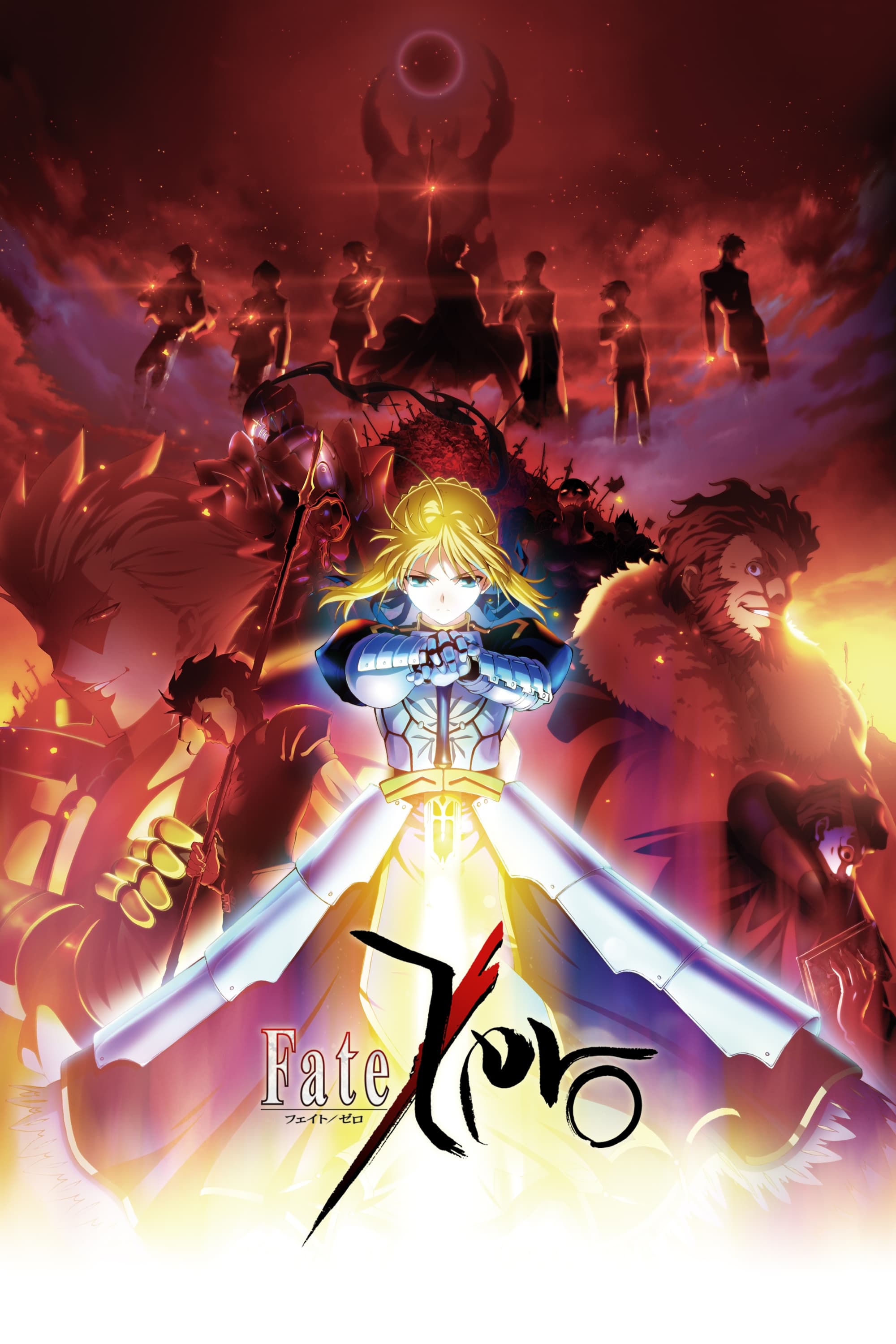
Fate/Zero, to me, is an insurmountable peak within the Fate series. The core theme this anime explores is the classic trolley problem: pulling the lever (saving the majority) or not pulling it (saving the innocent minority). Stemming from this theme is a deeper exploration of justice—what constitutes procedural justice, and what constitutes moral justice? Perhaps this question inherently has no answer. It is much like the protagonist, Kiritsugu Emiya, who yearned to become an ally of justice, yet died without ever figuring out what his true wish was.
Fate/Zero, to me, is an insurmountable peak within the Fate series. The core theme this anime explores is the classic trolley problem: pulling the lever (saving the majority) or not pulling it (saving the innocent minority). Stemming from this theme is a deeper exploration of justice—what constitutes procedural justice, and what constitutes moral justice? Perhaps this question inherently has no answer. It is much like the protagonist, Kiritsugu Emiya, who yearned to become an ally of justice, yet died without ever figuring out what his true wish was.
Puella Magi Madoka Magica
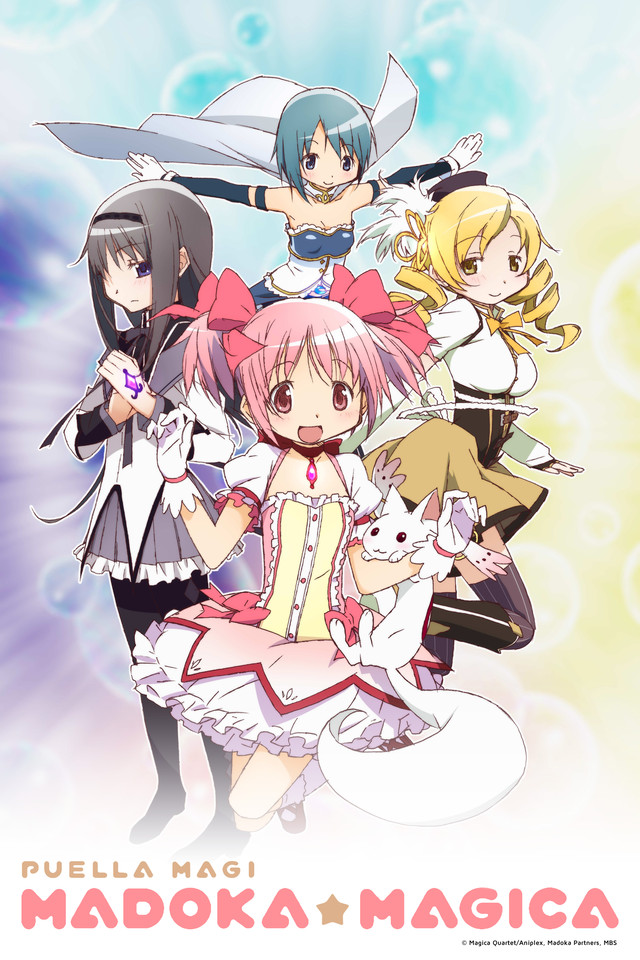
Puella Magi Madoka Magica is a dark fairy tale masquerading under the guise of a typical magical girl show. The scriptwriter and the director of this anime were respectively responsible for the previously mentioned Fate/Zero and March Comes in Like a Lion, which is why, despite being deeply soul-crushing, it still retains certain heartwarming elements. It is worth noting that even though the series spans a mere 13 episodes, it has given birth to numerous shocking and iconic scenes. Its exquisite production and roller-coaster plot have also earned it multiple awards. Finally, I would like to conclude with a quote from the series' writer, Gen Urobuchi: "I think teaching children that 'there is no darkness in the world' is a very terrible thing."
Puella Magi Madoka Magica is a dark fairy tale masquerading under the guise of a typical magical girl show. The scriptwriter and the director of this anime were respectively responsible for the previously mentioned Fate/Zero and March Comes in Like a Lion, which is why, despite being deeply soul-crushing, it still retains certain heartwarming elements. It is worth noting that even though the series spans a mere 13 episodes, it has given birth to numerous shocking and iconic scenes. Its exquisite production and roller-coaster plot have also earned it multiple awards. Finally, I would like to conclude with a quote from the series' writer, Gen Urobuchi: "I think teaching children that 'there is no darkness in the world' is a very terrible thing."
Made in Abyss
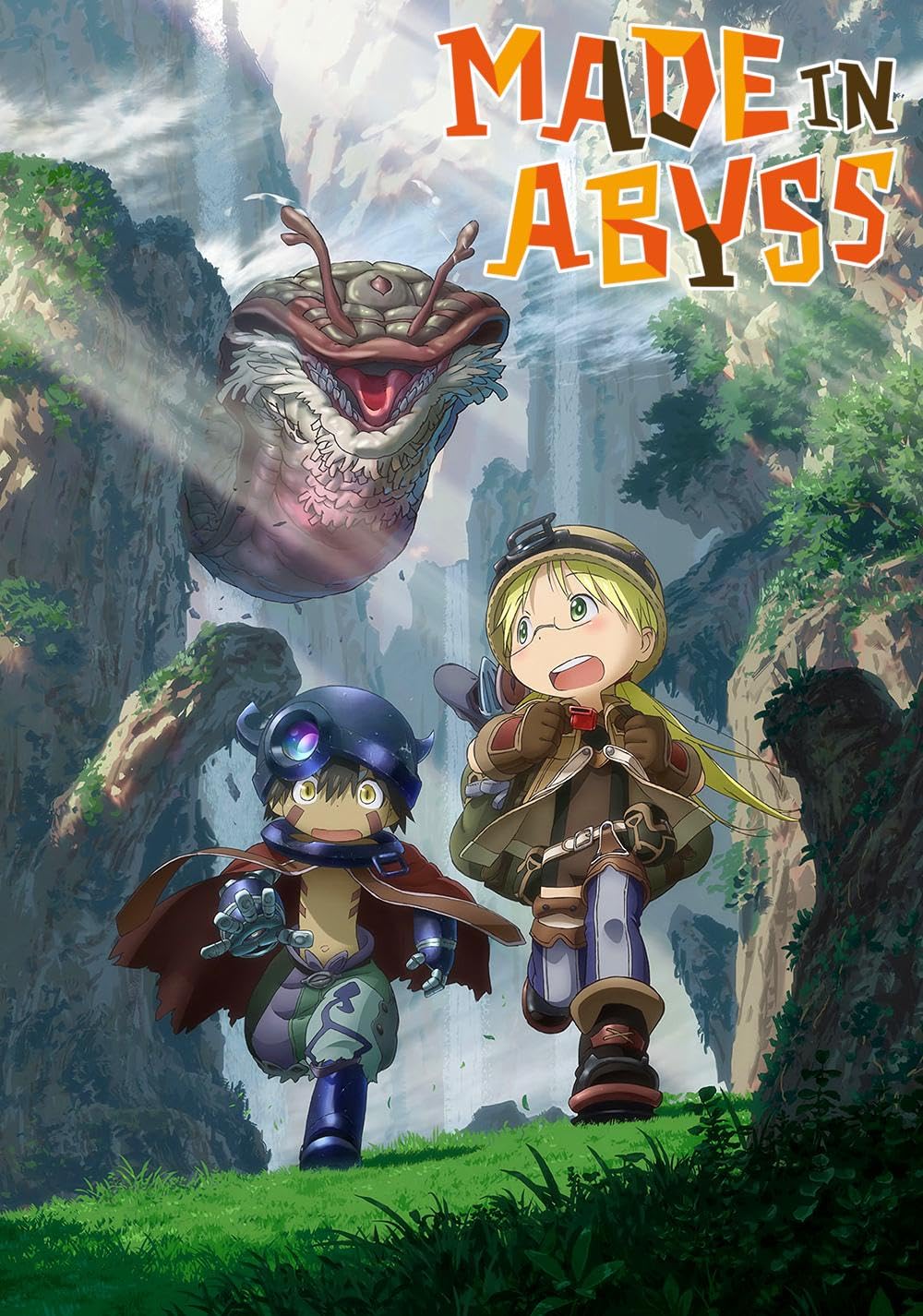
Made in Abyss tells the story of several young, innocent children adventuring in a massive cave. Similar to Puella Magi Madoka Magica, its core theme is also about unearthing the brilliance of human nature amidst darkness and cruelty. The setting of the Abyss (a colossal vertical pit) in the anime left a profound impression on me: in the Abyss, descending is met with no resistance, but the closer one gets to the bottom, the greater the resistance encountered when attempting to ascend. This perfectly depicts the process of humanity sinking deeper and deeper driven by desire, until their humanity is completely eradicated. For a prime example of this, look no further than Bondrewd (the Lord of Dawn), a character who appears in the first Made in Abyss movie.
Made in Abyss tells the story of several young, innocent children adventuring in a massive cave. Similar to Puella Magi Madoka Magica, its core theme is also about unearthing the brilliance of human nature amidst darkness and cruelty. The setting of the Abyss (a colossal vertical pit) in the anime left a profound impression on me: in the Abyss, descending is met with no resistance, but the closer one gets to the bottom, the greater the resistance encountered when attempting to ascend. This perfectly depicts the process of humanity sinking deeper and deeper driven by desire, until their humanity is completely eradicated. For a prime example of this, look no further than Bondrewd (the Lord of Dawn), a character who appears in the first Made in Abyss movie.